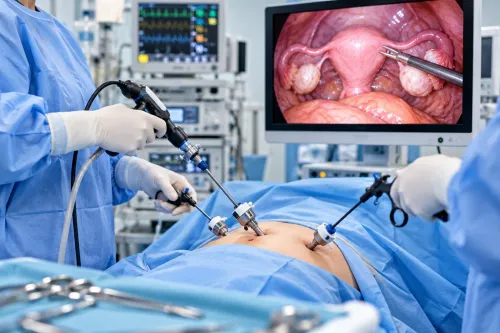

You may want reliable contraception but feel unsure about the examination, pain, timing, and recovery involved in getting a Copper-T. By the end, you will know how clinicians assess eligibility, what happens during insertion, which symptoms are expected, and when to seek review.
Key takeaways
- Confirm pregnancy is excluded before Copper T insertion.
- Ask who will insert the device and what facility supports the procedure.
- Expect cramping and light bleeding after insertion.
- Choose a Copper T only if heavier periods suit your contraceptive needs.
What happens before you are approved for insertion?
Approval for Copper T insertion in Navi Mumbai starts with confirming that insertion is safe and that you are not pregnant. The clinician reviews:
- Your last menstrual dates, bleeding pattern, recent sexual activity, previous pregnancies, current or recent contraception, allergies, pelvic infections, and sexually transmitted infections.
- Your pregnancy risk using your history and examination. A urine pregnancy test is used when appropriate, but a negative result alone cannot rule out a very early pregnancy after recent intercourse.
- Your symptoms and medical conditions, including unexplained vaginal bleeding, which must be assessed before insertion rather than treated as a routine period.
- Your suitability for a copper IUD. Pregnancy, untreated pelvic infection, current purulent cervicitis, a significantly distorted uterine cavity, copper allergy, and Wilson disease are reasons not to proceed.
The clinician then performs a pelvic examination with a speculum and checks your cervix. Gonorrhea or chlamydia testing can usually be collected on the insertion day when indicated, so awaiting those results does not normally delay insertion. Current purulent cervicitis or pelvic inflammatory disease does require postponement and treatment first.
A condition needing assessment is not automatically a permanent exclusion. Irregular bleeding, uncertain pregnancy timing, past pelvic infection, or a history of sexually transmitted infection may require additional questions, examination, or testing. The consultation determines whether insertion can proceed, needs postponement, or is unsuitable.
That is why booking a Copper T insertion in Navi Mumbai should follow a clinician-led assessment.
What happens inside the insertion room, step by step?
An IUD insertion in Navi Mumbai follows the same clinical sequence used elsewhere, including intrauterine device insertion in Airoli. The insertion is brief, but your appointment also includes consent, examination, preparation, and recovery.
1. You lie on an examination couch, usually with your knees bent and supported. The clinician confirms consent and explains each step before proceeding.
2. The clinician places a speculum into the vagina to see the cervix, then cleans the cervix and surrounding area with an antiseptic solution. You may feel pressure or stretching.
3. A tenaculum may gently hold the cervix steady. This can cause a sharp pinch and brief cramping.
4. The clinician passes a thin uterine sound through the cervical canal to measure the depth and direction of the uterine cavity. Strong or mild cramps are possible.
5. The Copper-T is advanced through its applicator tube into the uterus. The device opens into position when the clinician releases it.
6. The applicator tube and instruments are removed. Two strings are trimmed so they extend a short distance through the cervix into the vagina.
7. You remain lying down until you feel steady. Tell the clinician immediately if pain is severe or you feel sweaty, nauseated, dizzy, or faint.
Anaesthesia is not routinely required. Pain-relief advice is individualised, and no medicine guarantees a painless procedure.
When can insertion be done, and how should you choose a facility?
Menstruation is not a prerequisite for copper t insertion airoli. A clinician can insert it at any point in the cycle after becoming reasonably certain that you are not pregnant; a negative urine test alone is not enough when intercourse was recent or your dates are unclear.
| Timing | What it means | Key condition |
|---|---|---|
| During the cycle | Insertion need not wait for bleeding | Pregnancy has been reasonably excluded |
| After childbirth | Immediate or later timing may be possible | Postpartum timing changes expulsion risk |
| After miscarriage or abortion | Insertion can follow once the pregnancy has ended | No pelvic infection is present |
| While breastfeeding | Breastfeeding does not itself prevent insertion | Pregnancy assessment still applies |
For a copper iud clinic near me, ask these questions before booking:
- How do you confirm pregnancy status when periods or recent intercourse make the timing uncertain?
- Who obtains informed consent and performs the pelvic examination and insertion?
- Are sterile, individually packaged instruments used?
- What is your procedure if I become sweaty, nauseated, dizzy, or faint from a vasovagal episode?
- How can I obtain assessment for severe pain, bleeding, suspected expulsion, or infection?
Routine antibiotic prophylaxis is not recommended for an uncomplicated insertion. Dr. Namrata Kshatriya-Obstetrics & Gynecology is worth considering only if its service includes this assessment and follow-up, rather than insertion alone. A search result proves proximity, not safe, clinician-led IUD care.
Related service
Copper - T - Insertion Copper-T, also known as intrauterine device (IUD). Here's some information about Copper-T insertion: 1. View service → |
What should you expect during the first hours and days?
Mild to moderate, period-like cramps and spotting are common during the first hours and days. They usually settle without bed rest or a prolonged ban on exercise after an uncomplicated insertion.
1. Use a heating pad and rest when you want to. Nonsteroidal anti-inflammatory medicines may help later cramping if you can safely take them. Ask a clinician which medicine suits you if you have stomach ulcers, kidney disease, take blood-thinning treatment, or have an NSAID allergy.
2. Resume exercise, sex, and normal activities when you feel comfortable. The Copper-T works immediately after placement, so you do not need backup contraception solely because insertion was recent.
3. Seek prompt clinical assessment for severe or worsening pelvic pain, fever, chills, foul-smelling discharge, very heavy bleeding, or fainting that does not settle.
4. Contact the inserting facility if you cannot feel strings that were previously present, or if you feel hard plastic at the cervix or in the vagina. These signs can indicate expulsion or a change in position, which is more likely during the first months and in some postpartum situations.
Do not push the device back into place or pull the strings.
5. There is no mandatory routine follow-up visit for everyone after uncomplicated insertion. Keep the facility’s contact details so you can arrange review if pain, bleeding, suspected expulsion, or infection develops.
How do strings and period changes affect your contraceptive choice?
After healing, the clinician leaves two strings extending through the cervix so the Copper-T can be checked or removed. You may learn to feel them with clean fingers, but repeated routine checking is not required.
If the strings suddenly feel shorter, longer, or absent, or you feel hard plastic at the cervix or in the vagina, use condoms or avoid intercourse until a clinician confirms the device’s position. Do not push it back or pull the strings.
Expulsion is most likely during the first months and occurs more often in some postpartum situations.
Copper-T periods can become heavier, longer, or more painful, especially during the first few months. Compare it with these alternatives:
| Option | Bleeding and hormones | Permanence, STI protection, and effort |
|---|---|---|
| Copper-T | May increase bleeding; no hormones | Reversible; no STI protection; little ongoing effort |
| Hormonal IUD | Often reduces bleeding over time; releases hormone | Reversible; no STI protection; little ongoing effort |
| Pills | Can regulate bleeding; contain hormones | Reversible; no STI protection; take on schedule |
| Condoms | Do not usually change periods; no internal hormones | Reversible; reduce STI risk; use every time |
| Implant | Hormonal; irregular bleeding is common | Reversible; no STI protection; long-acting arm method |
| Sterilisation | Does not regulate periods; no ongoing hormones | Intended to be permanent; no STI protection; no daily effort |
Fertility returns promptly after Copper-T removal, and the device does not cause infertility. Choose based on bleeding, hormones, permanence, STI protection, and the effort you can manage.
Frequently asked questions
What happens before Copper T insertion?
The clinician checks that insertion is safe and confirms that you are not pregnant before approving the procedure.
When can Copper T insertion be done?
The article explains when insertion can be scheduled and what to check when choosing a facility in Navi Mumbai.
What should you expect after Copper T insertion?
Expect guidance about the first hours and days, including common cramping, bleeding, and follow-up concerns.
How can strings and period changes affect your contraceptive choice?
The article explains how to check the strings and how possible period changes should factor into choosing a Copper T.
Keywords