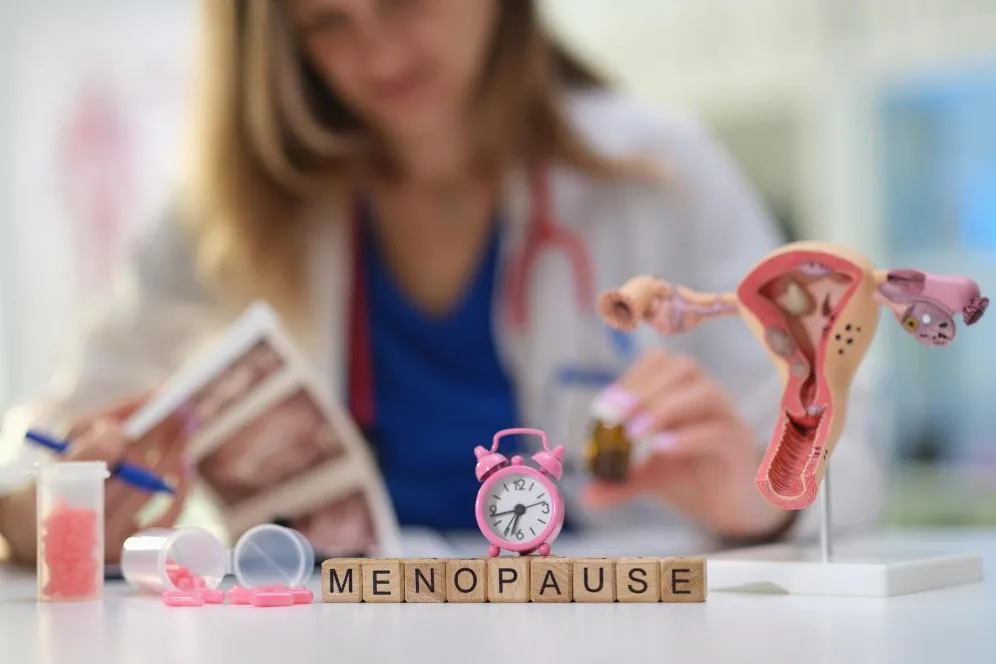
Menopause is a natural stage in a woman's life, marking the end of her menstrual cycles. While every woman experiences menopause differently, the hormonal changes associated with this transition can affect physical, emotional, and reproductive health. For some, symptoms are mild and short-lived, while others may experience changes that significantly impact daily life.
Many women assume they simply have to 'live with' these symptoms. In reality, a menopause clinic can provide guidance, treatment, and lifestyle recommendations that make this phase healthier and more comfortable.
What Is Menopause?
Menopause is confirmed when a woman has gone 12 consecutive months without a menstrual period, provided there is no other medical cause. It most commonly occurs between the ages of 45 and 55, although the timing varies from person to person.
Before menopause, many women go through perimenopause, a transitional phase during which hormone levels fluctuate and symptoms gradually begin to appear.
Common Signs of Menopause
The hormonal changes during menopause can affect multiple systems in the body.
Common symptoms include:
- Irregular menstrual cycles
- Hot flashes
- Night sweats
- Mood swings
- Difficulty sleeping
- Vaginal dryness
- Reduced sexual comfort
- Fatigue
- Difficulty concentrating
- Joint aches
Some women experience only a few symptoms, while others notice several occurring together.
When Should You Visit a Menopause Clinic?
Not every menopausal symptom requires medical treatment, but professional evaluation is recommended when symptoms begin affecting your quality of life.
You should consider consulting a specialist if:
- Hot flashes interfere with daily activities or sleep.
- Bleeding occurs after menopause.
- Vaginal dryness causes persistent discomfort.
- Mood changes become difficult to manage.
- You experience frequent urinary infections.
- Sleep disturbances continue despite lifestyle changes.
- You have concerns about bone health or osteoporosis.
A consultation also helps rule out other medical conditions that may produce similar symptoms.
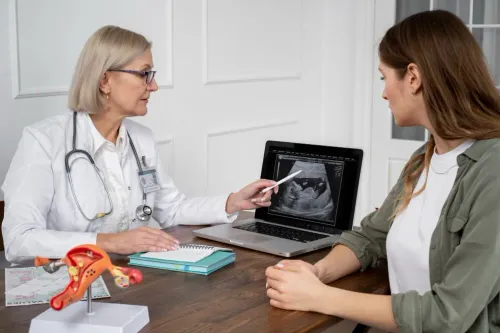
What Happens During a Menopause Consultation?
A menopause consultation focuses on understanding your overall health rather than addressing only one symptom.
Your doctor may discuss:
- Menstrual history
- Current symptoms
- Existing medical conditions
- Family medical history
- Lifestyle habits
- Bone health
- Cardiovascular risk factors
Depending on your situation, additional investigations may be recommended to evaluate your overall health.
Treatment Is Personalized
There is no single treatment that works for every woman. Management depends on the severity of symptoms, medical history, and individual preferences.
Treatment options may include:
- Lifestyle modifications
- Nutritional guidance
- Regular exercise recommendations
- Hormonal therapy when appropriate
- Non-hormonal medications
- Vaginal health treatments
- Bone health monitoring
- Preventive health screenings
The goal is to improve comfort while supporting long-term health.
Lifestyle Changes That Support Healthy Menopause
Simple daily habits can make a noticeable difference during menopause.
Helpful practices include:
- Eating a calcium-rich and balanced diet
- Staying physically active
- Maintaining a healthy weight
- Getting adequate sleep
- Practicing stress management techniques
- Limiting smoking and excessive alcohol intake
- Attending regular preventive health checkups
These measures support heart health, bone strength, and emotional well-being throughout the menopausal transition.
Why Regular Follow-Up Remains Important
Even after menopause, routine gynecological care continues to play an important role.
Regular visits allow doctors to monitor:
- Breast health
- Cervical health
- Bone health
- Urinary health
- Hormonal concerns
- General reproductive wellness
Preventive care remains valuable throughout every stage of life.
Finding the Right Support
Menopause is not simply the end of reproductive years—it is the beginning of a new phase that deserves informed medical guidance and preventive care. Women should feel comfortable discussing symptoms openly rather than assuming they are an unavoidable part of aging.
Women across Airoli, Ghansoli, Rabale, Vashi, Koparkhairane, Turbhe, Thane, and surrounding areas of Navi Mumbai often seek specialists who provide comprehensive menopause care alongside preventive gynecology. Dr. Namrata Kshatriya–Obstetrics & Gynecology offers individualized evaluation and treatment plans designed to address menopausal symptoms while supporting long-term women's health. Additional information about the clinic's services can be explored through drnamratagynec.com.
Menopause is a natural life transition, but you do not have to navigate it alone. With timely medical advice, healthy lifestyle choices, and personalized care, women can manage symptoms effectively and continue enjoying an active, healthy, and fulfilling life.
Keywords